Sports team transportation services are worth it when a team needs reliable group movement, tighter safety controls, and less logistical friction than carpools or ad hoc rides. The biggest gains usually show up in schedule control, equipment handling, airport coordination, and athlete readiness.
Summary
- Sports team transportation is most valuable when it combines group capacity, trip coordination, and verified safety compliance in one managed service.
- FMCSA states bus travel is among the safest forms of passenger transportation, and interstate passenger carriers must have a USDOT number and FMCSA operating authority.
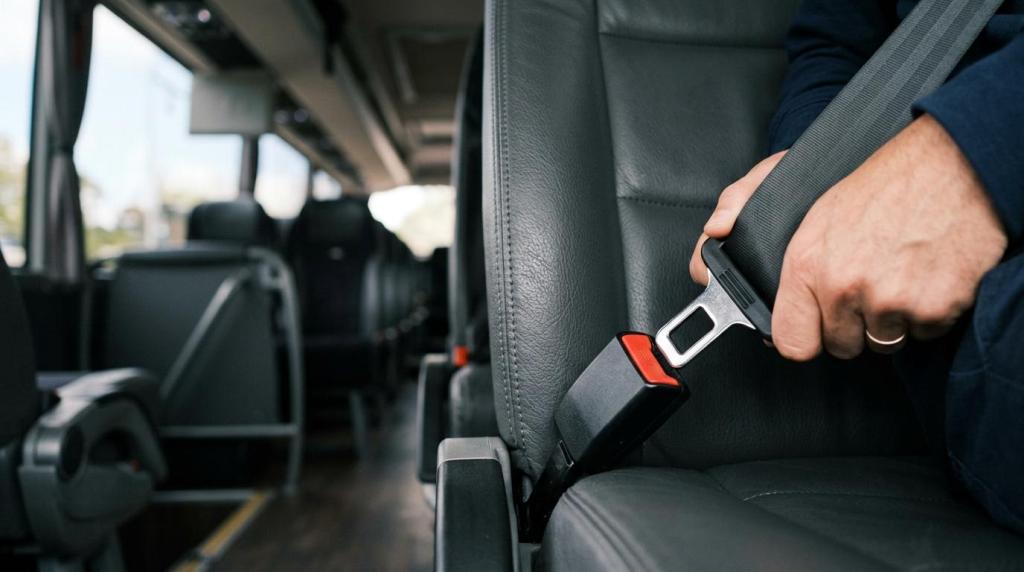
- Large buses manufactured after November 2016 must provide passenger safety belts, so fleet age and vehicle type matter when comparing providers.
- ADA-related rules affect private over-the-road bus service, which makes wheelchair accessibility and boarding assistance a booking issue, not an afterthought.
- The main benefits are simpler scheduling, better equipment storage, fewer late arrivals, easier airport transfers, and one accountability chain for athletes, coaches, and staff.
- If a team has multiple pickups, oversized gear, or a multi-city schedule, a managed operator is usually a better fit than carpools, rideshares, or mixed transport vendors.
The best sports travel plans do more than move people from point A to point B. They reduce preventable risk, keep the roster together, and give coaches, operations staff, and event planners one place to manage timing, access, and changes.
Why do sports teams use dedicated transportation services?
Sports team transportation services reduce coordination risk and protect schedule discipline. In Atlanta and other busy metros, one managed vehicle plan is usually more reliable than splitting athletes and staff across private cars, rideshares, and last-minute rentals.
A sports team rarely travels with only passengers. There are coaches, trainers, video staff, uniforms, coolers, training kits, and sometimes media or family members. A dedicated service puts manifests, baggage capacity, pickup windows, and driver accountability into one operating plan.
That matters most when timing is tight. If one athlete arrives late in a carpool model, the whole team can feel the ripple effect at check-in, warm-up, or load-out. With a managed transportation service, dispatch and chauffeurs can work from a shared itinerary instead of a loose collection of individual arrivals.
“Cooper Global provides sports team transportation from Atlanta and supports service in 450+ cities worldwide, which is useful for teams with regional and multi-city schedules.”
How does team transportation improve safety and compliance?
Safety improves when teams book operators that meet FMCSA and ADA requirements. FMCSA and ADA rules give buyers practical checkpoints that are more useful than marketing language alone.
FMCSA says bus travel is among the safest forms of passenger transportation. That does not mean every provider is equal. If a trip crosses state lines, the operator should have a USDOT number and be authorized to operate by FMCSA. FMCSA also advises travelers to research a company’s safety history, maintenance practices, and driver qualifications before booking.
A common mistake is assuming a clean vehicle or a newer website signals a strong operation. It does not. Large buses manufactured after November 2016 must provide passenger safety belts, so asking about vehicle build dates and restraint availability is a concrete screening step.
Accessibility belongs in the same conversation. ADA-related rules address accessibility for private entities using over-the-road buses, including needs connected to wheelchair users and boarding assistance. If a team or traveling party includes an athlete, staff member, or guest with mobility needs, that requirement should be confirmed before the trip is dispatched.
What are the 11 biggest benefits of sports team transportation services?
The main benefits are operational, not cosmetic. Teams usually gain the most from controlled timing, equipment support, and a single accountability chain.
- Managed logistics from operators like Cooper Global: one itinerary, one dispatch point, and fewer missed handoffs.
- Roster unity: athletes, coaches, and support staff arrive together and follow the same timing.
- Better equipment handling: coach buses can include storage compartments for luggage and equipment.
- Lower coordination burden: fewer text chains, reimbursements, parking plans, and rider confusion.
- Stronger safety screening: buyers can verify FMCSA authority, driver qualifications, and maintenance practices in advance.
- Airport efficiency: group pickups and departures become easier to control around baggage claim, terminals, and flight changes.
- More predictable recovery time: spacious seating, air conditioning, and a smoother ride can help after games or long travel days.
- Onboard productivity: Wi-Fi, power outlets, and entertainment systems can support film review, device charging, or quiet downtime.
- Better event presentation: a professional arrival matters for schools, colleges, and professional teams.
- Multi-city flexibility: a managed provider can support tournament runs, road trips, and cross-country movements.
- Fewer single-point failures: if traffic shifts or plans change, real-time trip monitoring gives the operator room to adjust.
The trade-off is simple. Dedicated transportation costs more than asking everyone to drive themselves, but it often costs less than the hidden failure points of late arrivals, lost gear, parking delays, and fragmented communication.
How do charter buses compare with carpools and rideshares for team travel?
A charter bus gives teams shared departure control, common arrival timing, and dedicated storage. Carpools and rideshares can work for short, local practices, but they break down quickly under tournament, airport, or overnight conditions.
A rideshare fleet gives none of those by default. Each vehicle has its own driver, route, wait time, luggage limitation, and potential cancellation risk. That is manageable for four people going to dinner, not ideal for a full roster on a fixed event timeline.
Carpools also shift risk to parents, staff, or volunteers. Parking, navigation, reimbursement, and late arrivals become distributed problems. The hidden cost is administrative. Someone still has to chase ETA updates, confirm who has the trainer bag, and sort out who got stuck in traffic.
“Cooper Global cites a 2024 USA tour with Real Madrid across Chicago, New York, and Charlotte, a concrete example of multi-city sports transportation planning.”
The exception is small-party movement. If only two coaches and one injured player need a hotel-to-clinic transfer, a chauffeured SUV or sedan may be the cleaner choice. The best team travel plans often mix modes instead of forcing every movement onto the same vehicle type.
How do you plan a game-day transportation schedule step by step?
A strong game-day plan starts with the venue clock, not the departure time. Coaches in Atlanta and event staff at Hartsfield-Jackson both work backward from access windows, security timing, and must-arrive milestones.
Start by fixing the non-negotiables. That includes venue access, locker room availability, credential pickup, warm-up time, and any broadcast or medical windows. Once those are locked, set the latest acceptable arrival time and build buffer from there.
Then map the passenger groups. Players, coaches, athletic trainers, staff, and family or booster groups may need different pickups even when they share the same destination. If one bus is carrying the active roster, avoid adding optional riders whose timing can change the load plan.
Finish with a same-day control process. Confirm manifests, pickup contacts, phone numbers, luggage counts, and equipment notes. A useful rule is simple: if a change affects seats, bags, or boarding order, send it to the operator before wheels-up, not halfway to the venue.
How do you move athletes, coaches, and equipment on one itinerary?
One itinerary works when the loading plan is designed before the trip. Equipment bays and seat assignments matter as much as departure time.
First, separate people flow from gear flow. Heavy or oversized items should be identified early, especially if the team carries coolers, medical cases, camera kits, or training gear. A common misconception is that one large bus automatically solves equipment logistics. It does not if the baggage profile was never counted.
Next, assign seat zones by role. Coaches and staff who need quick access on arrival should not be buried behind equipment chokepoints or mixed with riders likely to load late. If the team needs to unload fast at a venue, the boarding order should match the unloading order.
Last, build a transfer protocol. If the itinerary includes hotel, venue, airport, and post-game dinner stops, note what stays on the bus and what gets unloaded each time. That one decision prevents a surprising number of delays and lost-item calls.
How do airport transfers work for sports teams?
Airport team transfers work best when flights, baggage, and curbside timing are handled as one operation. At Hartsfield-Jackson or any major airport, the challenge is not distance. It is synchronization.
Start with the flight matrix. Teams should group travelers by inbound flight, baggage profile, and terminal flow rather than by who knows each other. If the roster is split across multiple arrivals, decide whether the vehicle will hold for the final group or whether staggered pickups are better.
Then build the curb plan. Name the pickup point, who has final authority to release the group, and how communication happens if a flight lands early or late. This is where 24/7 support and live trip oversight become useful, especially on late-night arrivals or irregular operations.
“Cooper Global combines 24/7 customer service with real-time trip monitoring, which is commercially useful when flight schedules or venue timing shift.”
Finally, think past the first ride. If the airport transfer is only one leg of a tournament or road trip, connect it to hotel arrival, meal stops, practice windows, and next-day departure times. Airport transport is usually the first test of whether the whole trip plan is actually workable.
What should you verify before booking an interstate team bus?
Interstate team bus vetting should be document-based. FMCSA requirements give buyers a practical shortlist that is easy to apply.
Before signing, verify before booking the following:
- USDOT number: confirm the operator identifies its federal registration for interstate passenger service.
- FMCSA authority: make sure the carrier is authorized to operate, not just advertising charter service.
- Safety belts: ask whether the large bus was manufactured after November 2016 and whether passenger safety belts are installed.
- Maintenance and driver screening: request the company’s approach to maintenance practices and driver qualifications.
- Accessibility readiness: confirm wheelchair accessibility or boarding assistance needs before dispatch if they apply to your group.
If a provider gives vague answers to those questions, keep shopping. Price becomes less important when basic compliance is unclear.
How does ADA accessibility affect sports team bus transportation?
ADA accessibility is a booking requirement, not a special add-on. Private over-the-road bus service can fall under federal accessibility rules, including needs related to wheelchairs and boarding assistance.
That matters for school teams, adaptive sports programs, family travel, and any trip where support staff or guests may need mobility accommodation. The practical point is simple: accessibility should be identified at the planning stage, because vehicle assignment, boarding method, and stop timing may all be affected.
A frequent misconception is that accessibility only applies to public transit systems. It does not. If the trip uses an over-the-road bus in a private service context, accessibility questions still belong in the pre-trip checklist.
When is a chauffeured sprinter or car service better than a full coach bus?
A sprinter van or chauffeured SUV is better for small parties and split movements. Coach buses are strongest for full-roster travel, while executive vehicles fit short-notice, low-volume, or VIP transport.
If a team needs to move only coaches, front office staff, scouts, or an injured player with a trainer, a smaller chauffeured vehicle is often faster and easier to stage. It can also reduce unnecessary cost when a full bus would be half empty.
If the group includes the active roster, major equipment, or a fixed venue arrival, a coach bus is usually the safer operational choice. The wrong move is picking vehicle type by prestige alone. Capacity, baggage, and timing should drive the decision.
What should a sports team transportation agreement include?
A strong agreement names the operating details that usually cause friction later. Atlanta event planners and school administrators both benefit from getting those terms in writing before the first pickup.
The best agreements usually spell out service windows, passenger counts, equipment expectations, airport assumptions, and change procedures. If the trip has several stops or crosses state lines, written details become even more valuable because there are more opportunities for confusion.
Key items to include are:
- Itinerary scope: pickup addresses, stop order, venue access notes, and estimated release times.
- Passenger and baggage profile: roster count, staff count, luggage volume, and sports equipment requirements.
- Vehicle standards: coach bus or executive vehicle type, accessibility needs, and passenger safety belt availability where applicable.
- Operations contacts: who can approve changes, who rides on site, and how dispatch communication works.
- Disruption terms: delay handling, flight changes, overtime rules, and cancellation procedures.
A good transportation agreement does not make the trip rigid. It makes the trip easier to adapt when real travel conditions change.


